

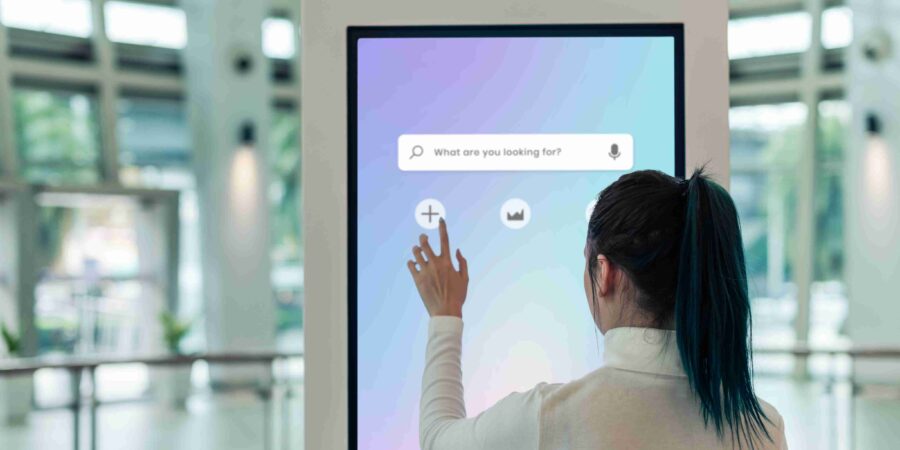
Creating a new product used to mean months of drafting, physical model making, and endless revisions. Now, 3D visualization allows teams to see and interact with their concepts before a single piece of material is cut or moulded. This technology gives creators the power to manipulate digital prototypes in real time, catching structural flaws early and testing design variations instantly.
This technological shift offers a massive leap forward for the manufacturing sector. Instead of relying on flat drawings that leave much to the imagination, stakeholders can explore a fully rendered, accurate representation of the final product.
By reading this guide, you will discover exactly how this technology accelerates the journey from a basic concept to a consumer-ready item. We will explore the shift from traditional drafting to immersive modelling, the impact on production timelines, and what the future holds for digital design.
The Evolution of Design: From 2D Sketches to Immersive Modelling
For decades, the product development process relied heavily on two-dimensional sketches and complex technical drawings. Designers would spend countless hours drafting blueprints, which engineers then had to interpret. Misinterpretations were common, leading to errors that only became apparent once a physical prototype was built.
The introduction of computer-aided design (CAD) began to change this dynamic. Early CAD software digitised the drafting process, but it was the leap to true 3D modelling that completely changed the landscape. Modern software allows designers to create highly detailed, volumetric models that accurately represent the physical properties of a product.
These immersive models provide a comprehensive view of how different components fit together. Designers can rotate the object, zoom in on intricate details, and simulate real-world physical stresses. This level of detail ensures that the original vision is preserved and accurately communicated throughout every stage of development.
Speed to Market: Reducing Development Cycles and Costs
Bringing a product to market quickly is crucial for maintaining a competitive edge. Traditional development cycles are notoriously slow, largely due to the need for physical prototyping. Building a physical model takes time, materials, and skilled labour. If a flaw is found, the process must start all over again.
The Power of Virtual Prototyping
Virtual prototyping eliminates many of these bottlenecks. Teams can now create entirely digital prototypes that behave exactly like their physical counterparts. They can test for aerodynamics, structural integrity, and thermal dynamics within a simulated environment.
Because digital changes can be made with a few clicks, the iteration process is incredibly fast. A design flaw that might have caused a month-long delay can be identified and corrected in an afternoon. This drastically reduces the time it takes to move from the initial concept phase to final manufacturing. Furthermore, cutting out multiple rounds of physical prototyping saves businesses a significant amount of money in material and labour costs.
Enhanced Collaboration Across Disciplines
Developing a successful product requires input from multiple departments. Designers, engineers, marketers, and executive stakeholders all need to align on the final vision. Historically, communicating complex technical details to non-technical stakeholders was a major hurdle.
Immersive 3D models act as a universal language. An engineer can easily show a marketing manager exactly how a new hinge mechanism works, or a designer can demonstrate different colour options to the executive board in real time.
Cloud-based 3D platforms have further streamlined this process. Global teams can now log into a shared digital workspace and view the same model simultaneously. They can leave spatial notes, suggest modifications, and approve changes instantly. This seamless communication reduces friction, prevents costly misunderstandings, and ensures that everyone is working towards the exact same goal.
Improving Consumer Experience
The benefits of digital modelling extend far beyond the engineering department. Marketing and sales teams are increasingly using high-quality 3D assets to engage with consumers long before a product actually rolls off the assembly line.
Companies can generate photorealistic renders and interactive animations to showcase upcoming products on their websites or social media channels. Consumers can spin the product around, explore different configurations, and gain a clear understanding of what they are buying.
This early engagement allows companies to gather valuable consumer feedback during the pre-sales phase. If a particular colour option or design feature receives negative feedback online, the product team can pivot and make adjustments before committing to mass production. This proactive approach ensures that the final product directly aligns with market demands.
Future Trends: The Role of AR/VR and AI
As powerful as current tools are, the next generation of digital design promises to be even more transformative. Augmented reality (AR) and virtual reality (VR) are beginning to play a major role in the review process.
Instead of viewing a model on a flat monitor, designers can put on a VR headset and interact with their product at true life size. They can walk around a virtual car chassis or hold a digital consumer electronic device in their virtual hands to assess its ergonomics. AR allows teams to project a digital prototype onto a physical desk, blending the digital and physical worlds for even better context.
Artificial Intelligence in Design
Artificial intelligence is also making its mark. Generative design algorithms can automatically propose hundreds of design variations based on specific parameters like weight, material strength, and cost. The AI can highlight the most efficient designs, leaving the human team to select the best option. This synergy between human creativity and machine efficiency will define the next era of manufacturing.
Staying Competitive in Modern Manufacturing
The shift towards highly detailed digital modelling is no longer just a trend; it is an essential strategy for any company looking to survive in the modern manufacturing landscape. By embracing virtual prototyping, businesses can drastically cut their development timelines, reduce material waste, and foster better collaboration across all departments.
If your organisation is still relying heavily on physical prototypes and 2D blueprints, it is time to evaluate your software stack. Research the latest cloud-based CAD platforms, invest in team training, and begin integrating digital models into your workflow. Taking these steps now will ensure your team remains agile, innovative, and ready to meet the demands of tomorrow’s consumers.

Leave a Reply