

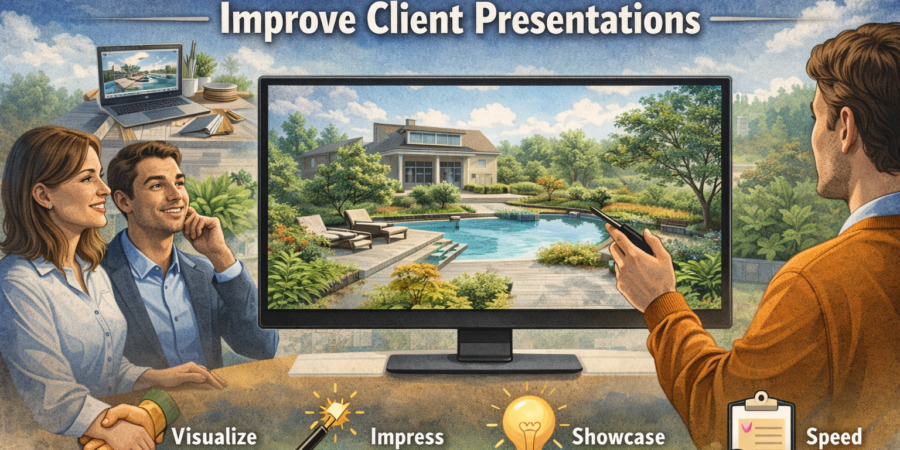
In the modern architecture, landscaping, and real estate industries, visual communication plays a crucial role in convincing clients and stakeholders. Traditional blueprints and sketches often fail to convey the true essence of a design. This is where 3D landscape rendering services become a powerful tool. By transforming ideas into realistic visual representations, these services help professionals present their concepts more effectively.Whether for residential gardens, commercial landscapes, parks, or urban developments, 3D landscape rendering allows designers to showcase every detail of their projects before construction begins. This article explores how 3D landscape rendering services significantly improve client presentations and enhance the overall design communication process.
What Are 3D Landscape Rendering Services?
3D landscape rendering services involve creating photorealistic digital images or animations of outdoor spaces using advanced visualization software. These renderings represent landscapes in a realistic manner, including elements such as plants, trees, pathways, lighting, water features, and terrain.Unlike traditional 2D drawings, 3D renderings provide a clear, immersive view of how the finished landscape will look in real life. Designers, architects, and developers can present detailed visuals that help clients easily understand the layout, scale, and atmosphere of the project.
Key elements typically included in 3D landscape renderings are.
- Vegetation and plant placement
- Outdoor lighting and shadows
- Hardscape features like pathways and patios
- Water features such as ponds or fountains
- Terrain modeling and elevation changes
- Outdoor furniture and decorative elements
These visualizations allow clients to experience the project virtually before it is built.
Why Visual Presentation Matters in Landscape Design
Presenting landscape concepts effectively is often one of the biggest challenges for designers. Clients may not always understand technical drawings or architectural plans. When communication gaps occur, misunderstandings about design expectations can arise.3D landscape rendering bridges this gap by turning abstract ideas into clear visual experiences.When clients can see realistic representations of their future outdoor space, they are more likely to.
- Understand the design concept clearly
- Feel confident about the project
- Provide constructive feedback
- Approve the design faster
Strong visual presentations also demonstrate professionalism and attention to detail, which builds trust between designers and clients.
Enhancing Client Understanding Through Realistic Visualization
One of the biggest advantages of 3D landscape rendering services is the ability to improve client understanding. Many clients struggle to interpret technical drawings because they lack architectural knowledge.Photorealistic renderings solve this issue by presenting designs in a way that feels familiar and intuitive.
For example, a client viewing a 3D rendering can immediately recognize.
- How trees will frame a pathway
- Where seating areas will be placed
- How lighting will affect the space at night
- The overall atmosphere of the garden or outdoor area
This clarity helps eliminate confusion and ensures that clients and designers are aligned in their vision for the project.
Creating Emotional Engagement with Clients
Effective presentations are not just about showing technical details they are also about creating an emotional connection with the design.3D landscape renderings can simulate realistic lighting, seasonal environments, and natural textures. This level of detail allows clients to imagine themselves using the space, whether it’s relaxing in a backyard garden or walking through a beautifully designed park.When clients feel emotionally connected to a design, they become more invested in the project. This often leads to.
- Faster approvals
- Greater client satisfaction
- Stronger long-term professional relationships
A visually compelling presentation can transform a simple concept into an inspiring vision.
Improving Communication Between Designers and Clients
Clear communication is essential in any design project. Misinterpretations can lead to costly revisions or delays.3D landscape rendering services make communication easier by providing a visual reference point that both designers and clients can discuss.Instead of explaining design elements verbally, designers can show them directly through renderings. Clients can then give specific feedback such as.
- Adjusting plant placements
- Changing pathway materials
- Modifying lighting intensity
- Altering outdoor furniture arrangements
This collaborative process ensures that changes are made early in the design stage, saving both time and resources.
Increasing Professionalism in Presentations
In highly competitive industries such as architecture, real estate, and landscape design, presentation quality can make a significant difference.Using professional 3D landscape renderings elevates the overall standard of a presentation. High-quality visuals demonstrate that the designer is committed to delivering a well-thought-out and detailed project.Professionals who incorporate advanced visualization into their workflow often stand out during client meetings, proposals, and project pitches.Companies like SMA Archviz specialize in producing detailed visualizations that help architects and landscape designers present their ideas with clarity and impact.
Supporting Better Decision-Making
3D landscape renderings also help clients make more informed decisions. By seeing a realistic preview of the design, clients can evaluate different options and understand how various elements work together.
For instance, designers can present multiple variations of a landscape concept, allowing clients to compare.
- Different plant arrangements
- Various hardscape materials
- Alternative lighting designs
- Seasonal landscaping changes
This flexibility empowers clients to choose the design that best matches their preferences and project goals.Better decision-making during the planning stage reduces the likelihood of costly changes during construction.
Saving Time and Reducing Revisions
Revisions are a normal part of any design project, but excessive changes can slow down progress and increase costs.3D landscape rendering services help minimize revisions by allowing clients to visualize and refine the design early in the process.When clients clearly understand the proposed landscape design, they can provide precise feedback before construction begins. This leads to.
- Fewer misunderstandings
- Reduced redesign work
- Faster project approvals
As a result, projects move forward more efficiently and smoothly.
Enhancing Marketing and Project Promotion
Beyond client presentations, 3D landscape renderings also serve as powerful marketing tools.
Real estate developers, landscape architects, and property designers often use these visuals in marketing materials to attract potential buyers or investors. High-quality renderings can be used in.
- Real estate brochures
- Property websites
- Social media campaigns
- Investor presentations
Because these images showcase the full potential of a space before it is built, they help audiences visualize the finished project more easily.This makes 3D renderings an effective strategy for promoting landscape developments and outdoor design concepts.
Showcasing Design Details with Precision
Another major benefit of 3D landscape rendering is the ability to display fine design details that may not be visible in traditional plans.
Designers can highlight elements such as.
- Texture of paving materials
- Water reflections in ponds or fountains
- Natural shadows created by trees
- Lighting effects at different times of day
These details bring the design to life and allow clients to appreciate the full depth of the project. Precision visualization ensures that every design element is accurately represented, helping clients feel confident about the final outcome.
Future Trends in 3D Landscape Visualization
The field of 3D visualization continues to evolve with advancements in technology. Emerging tools such as virtual reality (VR) and interactive 3D walkthroughs are taking client presentations to the next level.In the future, clients may be able to explore landscape designs in immersive virtual environments, walking through gardens and outdoor spaces before they are built.
Other trends include.
- Real-time rendering technology
- AI-assisted landscape visualization
- Interactive design modifications
- Enhanced environmental simulations
These innovations will further improve how designers communicate their ideas and collaborate with clients.
Conclusion
3D landscape rendering services have become an essential part of modern design presentations. By transforming complex plans into realistic visual experiences, these renderings help clients clearly understand landscape concepts and feel confident in their decisions.From improving communication and reducing revisions to enhancing marketing efforts and emotional engagement, the benefits of 3D landscape visualization are significant.As technology continues to evolve, the role of 3D rendering in landscape design will only grow stronger. Designers who adopt these tools can present their ideas more effectively, build stronger client relationships, and deliver projects that truly match their clients’ visions.

Leave a Reply