

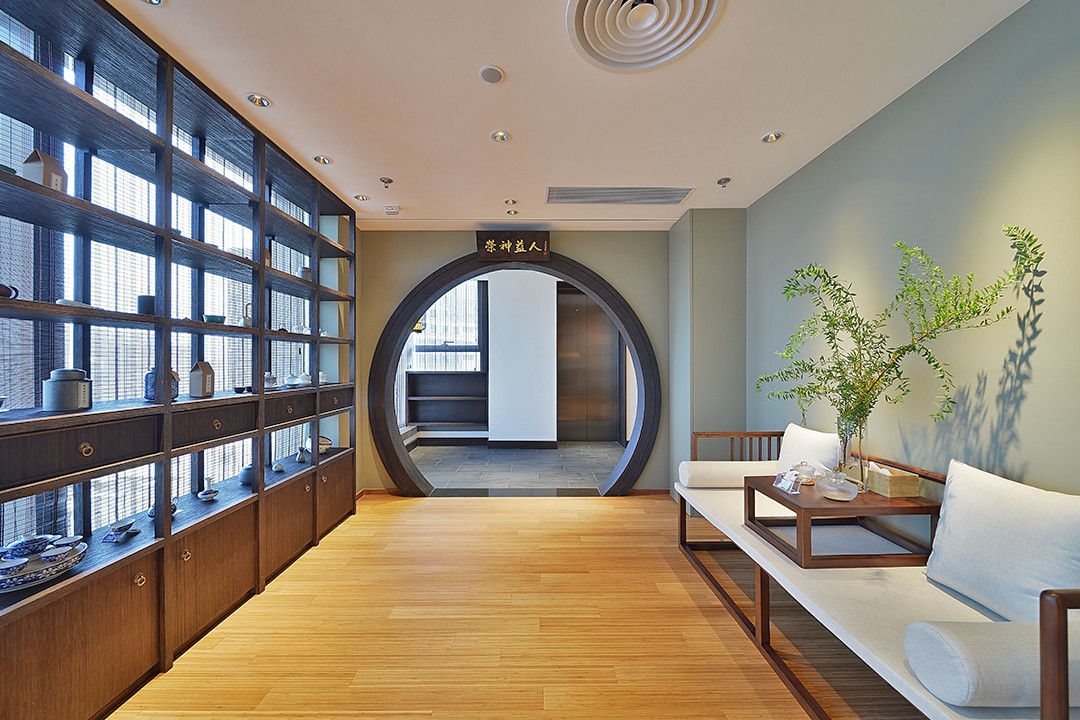
Natural bamboo flooring has a character that blends seamlessly with contemporary design while holding onto a sense of enduring charm. For architects, builders, and homeowners who want a clean, organic aesthetic without sacrificing performance, natural bamboo has steadily become a dependable choice. As someone who has spent years working in manufacturing lines, testing rooms, and moisture‑conditioning chambers, I have watched the material evolve, yet its appeal remains closely tied to its simplicity and authenticity.
Natural bamboo flooring differs from stained or carbonized versions because its color reflects the true tone of the bamboo culm once the outer layer is removed and the strips are fully processed. The grain, nodes, and subtle tonal variations appear exactly as they emerge from the plant itself. Instead of introducing pigment or altering the fiber structure through heat treatment, natural material preserves that original pale gold appearance—something designers often lean toward when they want calm, airy, or minimalist interiors.
What Gives Natural Bamboo Its Distinct Appearance
The light, consistent tone of natural bamboo comes from carefully controlled processing steps. After harvest, each culm is split, stripped, and calibrated. The material is then boiled or steamed to remove sugars and impurities, which helps inhibit insects and contributes to a uniform color base. Because no color modification processes are involved, the final appearance relies entirely on:
- The maturity of the plant at harvest
- Proper drying to avoid uneven darkening
- Precise selection and grading of the strips
- Consistent pressing and lamination
These steps allow natural bamboo flooring to exhibit a soft brightness, making rooms feel open without the starkness that some pale hardwoods can produce. The gentle variation within each plank gives depth without overwhelming a space.
Why Natural Bamboo Works Well in Modern Interior Design
Modern spaces often emphasize clarity, light, and simplicity. Natural bamboo flooring supports these goals with a surface that feels uncluttered yet warm. The straight grain, occasional nodes, and lack of heavy patterning integrate well with:
- Minimalist layouts
- Scandinavian-inspired homes
- Open-plan commercial spaces
- Light, neutral color palettes
The tone reflects light effectively, especially in rooms with large windows. Even in compact apartments or offices, natural bamboo helps maintain a sense of spaciousness, and because the color is integral rather than applied, it maintains its look even as it ages.
Modern design frequently blends natural and industrial materials—glass, stone, steel, soft fabrics. Natural bamboo forms a comfortable middle ground among these textures. It softens sharp lines without introducing visual chaos.
Understanding the Construction Types Behind Natural Bamboo
Natural bamboo flooring can be horizontal, vertical, or strand woven, and each construction influences both appearance and performance. Although all three can be manufactured in a natural, unstained color, their internal structure creates distinct differences.
Horizontal Natural Bamboo
The strips lie flat during lamination, showing wider grain patterns and visible nodes. This type offers the most traditional bamboo look—recognizable and expressive.
Vertical Natural Bamboo
The strips stand on edge, creating a fine, linear grain. The appearance becomes more subtle and uniform, fitting neatly into modern design.
Natural Strand Woven Bamboo
The fibers are shredded, mixed with resin, and compressed under heavy pressure, resulting in a denser, more durable material. The visual effect is more textured and organic, though still within the natural color spectrum.
All three align well with natural color finishes, but the choice depends on whether a project calls for a calm, tidy pattern or something with more inherent character.
Performance Characteristics That Matter in Practical Use
Natural bamboo flooring is more than a visual decision. Its behavior under daily use depends strongly on manufacturing controls. Inside a factory, moisture content, adhesive consistency, press temperatures, and milling precision all play direct roles in the final product’s reliability.
When processed responsibly, natural bamboo flooring typically offers:
- Reliable stability in climate‑controlled environments
- Strong resistance to surface wear with modern UV coatings
- Good hardness compared with many traditional wood species
- Predictable installation behavior when properly acclimated
For natural material, stability is especially important because any color change with age is more visible on lighter surfaces. Well‑managed moisture conditions during production help minimize movement once the flooring is installed.
Color Behavior Over Time
Natural bamboo flooring does experience some color evolution, much like lightly toned hardwood. Exposure to sunlight gradually warms the tone, shifting it slightly towards a more honeyed appearance. This change is slow and generally uniform, especially when the material is produced with stable finishes and when the space maintains consistent indoor conditions.
Homeowners often appreciate this gentle maturation, as it adds depth without altering the overall aesthetic. Curtains, blinds, or modern low‑UV coatings can help moderate the change when needed, but most installations age gracefully on their own.
Matching Natural Bamboo With Different Architectural Styles
Although natural bamboo suits modern environments particularly well, its neutral tone makes it compatible with a wide range of design directions.
- Coastal spaces: The light color reflects a breezy, relaxed feeling.
- Eco‑focused architecture: The renewable nature of bamboo complements the design philosophy.
- Japanese‑influenced interiors: The calm, orderly grain fits organic minimalism.
- Contemporary commercial settings: Stability and brightness work well in offices, boutiques, and cafés.
Because the surface isn’t darkened or patterned, natural bamboo easily adapts to shifting furniture trends, wall colors, and decorative styles. Many spaces use it as a long‑term design anchor while other elements change over time.
What Factory-Level Details Influence Natural Bamboo Quality
For natural bamboo flooring to reach its full potential, production must follow controlled, consistent standards. A few factory details strongly influence the outcome:
- Maturity selection: Only fully developed culms provide stable, even color.
- Precision in boiling or steaming: Needed to remove sugars and stabilize color.
- Moisture equalizing: Reduces risk of shrinkage after installation.
- Uniform strip sorting: Ensures planks in the same batch look consistent.
- Calibrated pressing: Prevents density variations that might show over time.
- Careful milling and coating: Produces a smooth, reliable, and long‑lasting surface.
A natural finish doesn’t hide imperfections, so manufacturers must ensure the material is clean, stable, and evenly processed from the beginning.
Environmental Considerations
Natural bamboo flooring carries sustainability advantages, but those benefits depend on responsible manufacturing. Key factors include:
- Harvesting at proper maturity to avoid weakening the plant’s regenerative cycle
- Efficient use of raw material to reduce waste
- Adhesive systems that meet strict emission standards
- Kiln processes optimized for energy efficiency
- Finishes that remain stable over years of use
Because no additional color treatments or carbonizing steps are involved, natural bamboo avoids some of the extra energy input required by darker colors. Many buyers looking for reduced processing appreciate this option for that reason.
Why Natural Bamboo Remains a Reliable Choice
Natural bamboo flooring offers a combination of clarity, purity, and versatility that fits neatly into many of the spaces being built and renovated. Its color works effortlessly alongside both neutral and bold design choices, and well‑managed production ensures the flooring meets performance expectations for residential and commercial environments.
The material continues to be valued for its balanced appearance, dependable stability, and straightforward compatibility with modern architecture. For anyone looking for a surface that stays bright, warm, and adaptable over time, natural bamboo flooring holds its place as a dependable and timeless option.
Location
Related Ads





Leave feedback about this