

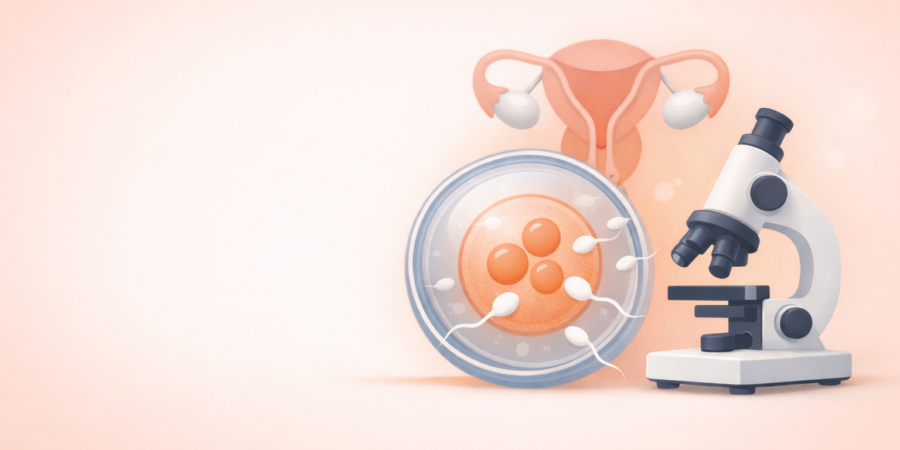
One of the most profound shifts in biological science over the past two decades has been the recognition that genes are not destiny. The DNA sequence you inherited at conception is fixed and cannot be changed. But the way that DNA is read, which genes are switched on, which are silenced, and how strongly each is expressed, is dynamically regulated by a layer of biological information that sits above the genetic sequence itself. This regulatory layer is called the epigenome, and the study of how it is shaped by environment, lifestyle, and experience is epigenetics.
For couples preparing for IVF, epigenetics has implications that are both scientifically fascinating and practically relevant. The epigenetic marks carried by eggs and sperm at the time of fertilisation influence how the resulting embryo develops, which genes are expressed during the critical early stages of embryogenesis, and potentially the long-term health trajectory of the child that results. And crucially, these epigenetic marks are shaped in part by the lifestyle choices made in the weeks and months before conception.
Understanding what epigenetics means in the context of IVF, which lifestyle factors most influence the epigenetic quality of eggs and sperm, and what the evidence suggests about the long-term epigenetic implications of IVF itself gives couples a deeper and more complete picture of why pre-cycle preparation matters beyond the immediate outcomes of egg retrieval and embryo transfer.
What Epigenetics Is and How It Works
The DNA sequence in every cell of the human body is essentially identical. A liver cell and a brain cell and a granulosa cell surrounding a developing egg all contain the same genetic code. What makes them different in function, appearance, and biological behaviour is not their DNA but their epigenome, the pattern of chemical modifications to DNA and the proteins around which DNA is wrapped that determines which genes are expressed in each cell type.
The primary epigenetic mechanisms include DNA methylation, in which methyl groups are added to cytosine bases in the DNA molecule at specific locations, typically silencing the genes in those regions. Histone modification, in which chemical groups including acetyl, methyl, and phosphate groups are added to or removed from the histone proteins that DNA winds around, alters how tightly DNA is packaged and therefore how accessible it is for transcription. Non-coding RNA molecules, including microRNAs, regulate gene expression post-transcriptionally by targeting specific messenger RNAs for degradation or translational repression.
These epigenetic marks are dynamic. Unlike the DNA sequence itself, which is essentially permanent, epigenetic marks can be added, removed, or modified in response to environmental signals, nutritional status, hormonal signals, stress, and other biological inputs. This dynamism is what makes epigenetics both so biologically significant and so potentially amenable to lifestyle-based modification.
The epigenetic marks carried by mature eggs and sperm are particularly important because they are transmitted to the fertilised egg and influence gene expression in the developing embryo during the critical period before the embryo’s own epigenome is fully established. Errors or disruptions in the epigenetic programming of eggs and sperm can therefore have consequences for embryo development, implantation, and potentially the long-term health of the resulting child.
Epigenetic Reprogramming in the Early Embryo
One of the most remarkable events in early embryo development is a process of global epigenetic reprogramming that occurs in the hours and days following fertilisation. The sperm and egg each arrive with their own epigenetic marks accumulated over the preceding months and years of their development. Shortly after fertilisation, most of these marks are erased in a process of global demethylation, and a new embryonic epigenome is progressively established as the embryo develops.
This reprogramming process is essential for the transition from the highly specialised, differentiated state of a mature egg or sperm to the totipotent state of the early embryo from which all cell types must eventually be derived. It is also a period of particular epigenetic vulnerability, because the enzymes and cofactors required for accurate epigenetic reprogramming depend on the nutritional and molecular environment present in the egg’s cytoplasm at the time of fertilisation.
Specific genomic regions called imprinted genes resist the global demethylation and retain their parental-specific methylation patterns through reprogramming. Imprinted genes are expressed from only one parental copy, either the maternal or paternal allele, and their correct epigenetic maintenance is essential for normal embryo development. Disruptions to genomic imprinting have been associated with specific developmental syndromes and with early pregnancy loss.
Research examining the epigenetic quality of embryos produced through IVF has found some differences in DNA methylation patterns at imprinted loci compared to naturally conceived embryos, raising questions about whether aspects of the IVF process including ovarian stimulation, culture conditions, and cryopreservation may introduce epigenetic perturbations. These findings have stimulated both scientific investigation and clinical efforts to optimise IVF conditions in ways that minimise epigenetic disruption.
How Lifestyle Factors Shape Epigenetic Marks in Eggs and Sperm
The epigenetic quality of eggs and sperm at the time of fertilisation is influenced by the biological environment in which those cells developed during the preceding months. Because eggs take approximately three months to develop from the recruited follicle pool to the mature oocyte available at retrieval, and sperm take approximately seventy-four days to develop through spermatogenesis, the lifestyle environment during this preparation window directly shapes the epigenetic marks that eggs and sperm carry into fertilisation.
Folate and the methyl group supply chain represent the most directly nutritional epigenetic influence. DNA methylation, the primary epigenetic silencing mechanism, requires methyl groups that are supplied through a metabolic pathway called one-carbon metabolism that depends on folate, vitamin B12, vitamin B6, methionine, and choline. When any of these nutrients are deficient during the critical period of gametogenesis, the supply of methyl groups for DNA methylation is reduced, potentially impairing the epigenetic programming of developing eggs and sperm.
The relationship between folate and neural tube defects is the best-known manifestation of this nutritional epigenetic connection, but the methylation requirements of eggs and sperm extend far beyond the periconceptional window typically discussed for folic acid supplementation. Ensuring adequate methylation nutrient supply throughout the three to four months before a cycle, using methylfolate rather than synthetic folic acid for better bioavailability in patients with MTHFR variants, represents a nutritionally grounded epigenetic preparation strategy.
Oxidative stress damages epigenetic machinery directly. The DNA methyltransferase enzymes that add methyl groups to DNA are oxidative stress-sensitive and their activity is impaired in high reactive oxygen species environments. The histone-modifying enzymes are similarly vulnerable. This means that the antioxidant preparation strategies discussed in the oxidative stress guide serve not only to protect DNA from oxidative damage but to preserve the epigenetic regulatory machinery that accurate embryonic reprogramming depends on.
Endocrine-disrupting chemicals including BPA, phthalates, and pesticide residues interfere with epigenetic programming through mechanisms involving both their estrogen-mimicking properties and their direct effects on DNA methylation and histone modification patterns. These chemicals have been found to alter methylation patterns at specific genomic loci in animal models of developmental exposure, and their presence in follicular fluid at concentrations detectable in women with higher dietary and environmental exposure is a genuine epigenetic concern for IVF patients.
Chronic psychological stress alters epigenetic marks in somatic tissues through cortisol-mediated effects on histone acetylation and DNA methylation at specific genomic loci. Whether these stress-induced epigenetic changes extend to germline cells, eggs and sperm, is an area of active research. Animal studies have demonstrated transmission of stress-related epigenetic marks through the germline, and limited human research has found associations between paternal stress exposure and altered sperm methylation patterns that may influence embryo development.
Alcohol consumption alters DNA methylation patterns in both somatic and potentially germline tissues, with the disruption of one-carbon metabolism that alcohol produces, through its interference with folate absorption and utilisation and its elevation of homocysteine, creating a direct nutritional epigenetic mechanism of harm. This provides yet another evidence-based rationale for alcohol avoidance during the IVF preparation period beyond the direct toxicity effects discussed in the lifestyle guide.
Epigenetic Implications of IVF Itself
The question of whether children conceived through IVF have different epigenetic profiles than naturally conceived children has been the subject of scientific research and public concern since the earliest days of assisted reproduction. The evidence, reviewed honestly, suggests that IVF-conceived children are overwhelmingly healthy and that the absolute risk of any specific adverse outcome attributable to epigenetic disruption is small. However, subtle epigenetic differences have been identified in some research and deserve honest discussion.
Ovarian hyperstimulation with gonadotropins exposes developing follicles to supraphysiological hormone levels that have been found in some studies to alter methylation patterns at imprinted loci in oocytes. The degree of stimulation may therefore have epigenetic implications that are part of the rationale for more conservative stimulation approaches in patients where OHSS risk is managed.
Embryo culture conditions, including the composition of culture media, oxygen concentration, and temperature stability in the incubator, influence embryo epigenetic programming through the availability of methyl group precursors and the oxidative environment of the culture dish. Research has found that different culture media compositions produce different methylation patterns at specific genomic loci, motivating ongoing efforts to optimise media formulations for epigenetic fidelity.
Cryopreservation has been the subject of significant epigenetic investigation, with early concerns about freeze-thaw effects on imprinting largely allayed by studies showing comparable or in some analyses better epigenetic outcomes in frozen embryo transfer cycles compared to fresh transfers. This finding is consistent with the broader clinical evidence favouring frozen embryo transfer in many patient populations and adds an epigenetic dimension to the arguments for this approach.
Practical Epigenetic Preparation for IVF
The practical implication of the epigenetics evidence for IVF patients is not that they need to adopt a fundamentally different preparation approach from the one recommended throughout this series. Rather, it provides an additional layer of scientific rationale for strategies that are already well-supported on other grounds.
Ensuring adequate intake of folate, B12, choline, and other one-carbon metabolism nutrients supports the methyl group supply chain that epigenetic programming depends on. Robust antioxidant supplementation protects the epigenetic regulatory machinery from oxidative damage. Minimising endocrine-disrupting chemical exposure reduces interference with DNA methylation patterns in developing gametes. Managing chronic stress reduces cortisol-mediated epigenetic disruption. Avoiding alcohol preserves folate-dependent methylation capacity. All of these strategies are already recommended throughout this series for other well-established reasons, and the epigenetic evidence adds mechanistic depth to their rationale.
Connecting with an experienced IVF Clinic in Jaipur that takes a scientifically grounded, comprehensive approach to pre-cycle preparation and understands the epigenetic dimension of egg and sperm quality alongside the more conventional fertility parameters ensures that your preparation is as complete and as well-evidenced as current reproductive science allows.
The Broader Significance of Epigenetics for IVF Families
The epigenetics of IVF extends a conversation that every couple pursuing assisted reproduction deserves to have about the long-term health of the children they are working to bring into the world. The evidence consistently shows that IVF-conceived children are healthy and that the specific concerns raised by early epigenetic research have not translated into clinically significant health differences in the population of IVF offspring studied to date.
What the epigenetics research does is motivate continuous improvement in IVF laboratory conditions, stimulation protocols, and patient preparation to ensure that the epigenetic quality of the gametes and embryos produced through IVF is as faithful to the biological ideal as current science and clinical practice can achieve. This motivation is itself a reflection of the commitment to genuinely patient-centred, evidence-informed reproductive medicine that the best fertility care embodies.
For expert fertility care delivered by specialists who understand the full biological depth of IVF, from epigenetics to embryology, and who bring that understanding to bear in the design of your personalised treatment, a trusted IVF Doctor in Jaipur with genuine scientific expertise and a commitment to the highest standards of clinical and laboratory practice gives your IVF cycle and the embryo it produces the most biologically sound and carefully considered foundation available.
Final Thoughts
Epigenetics tells us that biology is not merely inherited. It is shaped by environment, by nutrition, by stress, by chemical exposure, and by the choices made in the critical window before conception. In the context of IVF, this means that the months of preparation before a cycle are not merely about getting your body ready for the physical demands of treatment. They are about creating the best possible epigenetic environment for the egg and sperm that will become your embryo and potentially your child.
The preparation you invest in is not lost at retrieval. It travels with your embryo through fertilisation, through development, and potentially through generations.
Prepare with that perspective. It changes everything about how seriously each preparation step deserves to be taken.
Disclaimer: This article is intended for informational purposes only and does not constitute medical advice. Please consult a qualified fertility specialist for guidance tailored to your individual health and treatment needs.

Leave a Reply