

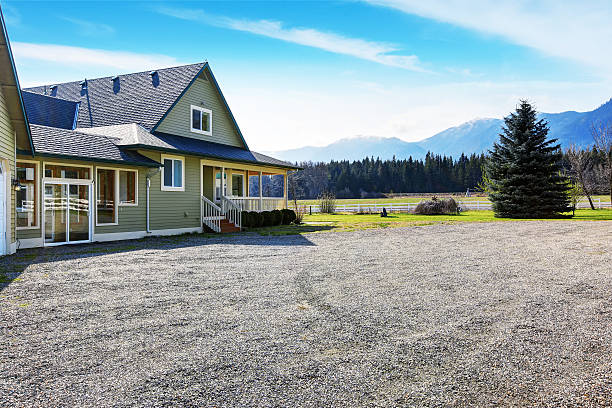
Stand at the end of a street and look at the front of ten houses. The ones that catch your eye first almost always have something sorted about the approach. The driveway is part of that first read. It tells you something about the property before you reach the front door. Gravel does something particular in that picture. It has a texture and a natural quality that hard surfaces struggle to replicate.
This is not about aesthetics for their own sake. A driveway that looks right lifts the whole frontage. It ties the house to the garden. It makes the property feel considered rather than just functional. Gravel achieves that without the formality of block paving or the blankness of tarmac and it does it at a cost that most homeowners do not expect.
The Visual Quality That Gravel Brings to a Frontage
Tarmac is black and flat and it draws the eye nowhere interesting. Block paving in a single colour can look institutional if the pattern does not have enough going on. Gravel has natural variation built into every square metre. The mix of tones in a quality gravel shifts with the light across the day. In morning sun it reads warm and textured. Under grey skies it quiets down and lets the house speak.
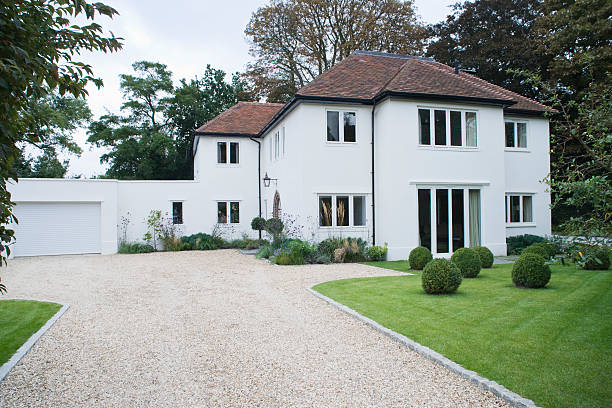
The edge where a gravel driveway meets a planted border or a lawn does something that hard surfaces cannot. The transition is soft. The gravel tucks against the grass or the planting bed and the whole front of the property reads as a unified composition rather than a parking surface surrounded by greenery.
Colour choice matters more than most people realise before they start looking at samples. A golden flint gravel lifts a red brick house and makes the whole frontage warmer. A grey slate gravel suits a rendered or stone-faced property and gives it a sharper contemporary quality. A pale limestone gravel opens up a shadowed north-facing frontage and reflects enough light to make the space feel less closed in.
Gravel and Property Value
Estate agents talk about kerb appeal with the enthusiasm of people who have watched it convert into sale prices repeatedly. The front of a property is what creates the first impression for a buyer viewing from the street or online before they book a viewing at all.
A neglected driveway with cracked concrete or patchy tarmac and weeds pushing through the edges signals deferred maintenance to a buyer before they have seen the inside. A clean gravel driveway with defined edges and planted borders signals care. It suggests the rest of the property has been looked after in the same spirit.
Gravel Driveways Swansea installations done well add genuine value to a property by improving that first read. The cost of a properly installed gravel driveway is consistently lower than block paving or resin bound surfacing and the kerb appeal improvement is comparable. That ratio of cost to visual impact is difficult to match with any other driveway surface.
Why the Installation Determines How It Looks Over Time
A gravel driveway that migrates onto the path and into the road within two years was never installed properly. The problems start with the base and the edging and the depth of gravel laid. Getting those three things right is the difference between a driveway that looks good at five years and one that looks tired at eighteen months.
The sub-base sits below everything. Excavating to the right depth and laying a compacted hardcore base stops the gravel from sinking into soft ground over time. Skip the sub-base and vehicles create ruts and the gravel redistributes itself into the patches where it is not needed and away from the patches where it is.
Membrane below the gravel controls weed growth without eliminating drainage. A quality woven geotextile membrane lets water pass through freely while blocking the light that weed seeds need to establish. Without it the driveway needs frequent treatment and within a few seasons the weeds compete seriously with the gravel for visual dominance.
Edging restraint keeps the gravel on the driveway rather than scattered across adjacent surfaces. Steel edging bends cleanly around curves and sits almost flush with the finished surface. Concrete edging provides more mass for boundaries that need to hold back vehicle pressure. Either approach works when it is properly fixed. Neither works when it is just pushed into the ground without adequate anchoring.
Depth and Stone Size Choices That Affect Appearance
Most people choose gravel on colour alone and then regret not asking about stone size. The size of the stone affects how the surface looks and how it behaves underfoot and under tyres. A 10mm angular gravel packs down reasonably well and gives a tight surface that vehicles drive over without throwing stone. A 20mm gravel stays put better under foot traffic but feels less stable under tyres that spin on a loose surface. A pea gravel with its smooth rounded stones looks beautiful and natural but migrates under vehicle load and collects in corners and gutters and needs regular redistribution.
Depth affects appearance significantly. A thin layer of gravel over membrane looks sparse and shows the membrane at the wheel tracks within a season. A 50mm depth gives full coverage and a generous surface that looks properly finished. A 75mm depth suits larger driveways where the additional mass helps the surface stay consistent across a wide area.
Gravel Driveways Swansea contractors who ask about your vehicle use before recommending a stone type and depth are doing their job properly. One who just quotes the cheapest option regardless of those variables is setting the driveway up to disappoint within two years.
The Drainage Advantage That Planning Regulations Recognise
Wales and England both require that new driveways over five square metres use permeable surfacing or manage water without directing runoff to the street drain. Gravel is inherently permeable. Water passes straight through the stone layer and the membrane below it and into the ground. There is no additional drainage infrastructure to install and no planning notification required in most cases.
That permeable quality does something beyond regulatory compliance. It manages the water that falls on your driveway where it falls rather than routing it into a drainage system that overloads in heavy rain. In Swansea where Atlantic weather systems push consistent rainfall through the autumn and winter months a driveway that absorbs water rather than shedding it reduces standing water and the problems that come with it.
Hard surfaces in the same conditions hold water at the surface until it finds somewhere to go. Gravel does not hold it at all. Rain falls and disappears and the surface drains and looks the same an hour later as it did before the downpour.
How Gravel Works With Different Property Styles
The assumption that gravel suits only rural or period properties is worth challenging directly. Contemporary urban properties look excellent with the right gravel choice and a well-designed edging arrangement.
A modern rendered house with clean lines suits a dark grey slate gravel and a precise steel edge restraint. The combination reads sharp and considered. The texture of the gravel contrasts with the flat render in a way that lifts the frontage without competing with the architecture.
A Victorian terraced house in a Swansea residential street suits a warm buff or golden flint gravel that echoes the sandstone or brick of the original building material. The informal quality of gravel sits with the organic irregularity of Victorian brickwork in a way that block paving in a rigid geometric pattern does not.
A detached property with a larger frontage benefits from gravel partly because it avoids the institutional feel that a large expanse of block paving or concrete can produce. Gravel at scale reads as natural and settled rather than constructed.
Maintenance That Is Honest and Manageable
Gravel needs occasional raking to redistribute stone that vehicles have pushed to the edges. It needs a weed treatment pass once or twice a year to deal with any growth that establishes through damaged membrane or at the edges. It needs topping up with fresh stone every few years as the depth naturally reduces through compaction and minor migration.
None of that is demanding. A Sunday morning with a rake keeps a gravel driveway looking properly maintained. The weed treatment takes an hour with a garden sprayer. Topping up is a delivery of fresh stone and an afternoon spreading it.
Compare that to block paving which needs joint sand replenishment and occasional lifting of sunken areas. Compare it to resin bound surfacing which requires professional cleaning and eventual resurfacing of areas that have lifted or cracked. Gravel maintenance is something a homeowner handles without specialist equipment or professional involvement for most of the driveway’s life.
What a Good Gravel Driveway Contract Should Confirm
Before work starts a proper specification protects the homeowner and establishes what the contractor is actually committing to deliver. Sub-base depth and type. Membrane specification. Gravel type stone size and depth. Edging type and how it will be fixed. What happens to excavated material. Guarantee on the installation.
A contractor who puts those details in writing before starting is working transparently. One who provides a verbal price and starts excavating without a written specification is giving the homeowner no recourse if the finished result does not match expectations.
Gravel Driveways Swansea installations that start with a clear written specification almost always finish without disputes. The specification forces both parties to agree on what the job involves before anyone lifts a spade. That clarity serves the contractor as much as the homeowner.
Final Thoughts
Gravel improves the appearance of a property because it is the surfacing material that works with a frontage rather than imposing on it. It has natural variation and texture that responds to light and season. It suits a range of property styles without forcing a particular aesthetic. It costs less than the hard surface alternatives while delivering comparable kerb appeal.
The key is the installation underneath. Get the sub-base right. Fix the edging properly. Lay the right depth of the right stone on a good membrane. Do those things correctly and a gravel driveway improves the front of a property from the day it is finished and keeps doing it for fifteen years with minimal effort. That is a straightforward return on a straightforward investment and it shows every time someone drives past the house.
Frequently Asked Questions
How long does a gravel driveway last?
A gravel driveway on a properly prepared sub-base with good edging and membrane lasts indefinitely in the sense that the stone does not deteriorate and the base does not fail if the initial installation was sound. What changes over time is the depth of gravel at the surface which reduces gradually through compaction and minor migration. Topping up with fresh stone every five to seven years keeps the surface looking properly maintained and the depth consistent.
Does gravel get tracked into the house?
Angular gravel locks together better than rounded pea gravel and tracks significantly less. The transition between the gravel surface and any path or step leading to the front door is the critical point. A boot scraper or a short section of a different surface at the threshold catches most of what vehicles and feet might carry. Rounded smooth gravels track considerably more and are a poor choice for driveways that connect directly to an entrance without a transition zone.
Will a gravel driveway need planning permission?
In most cases replacing an existing driveway with gravel does not require planning permission because gravel is a permeable surface that manages water on site. Creating a new vehicle access from the highway requires permission in most situations. A reputable contractor advises on this at the outset based on the specific site and local authority requirements rather than leaving the homeowner to find out afterward.
What is the best gravel for a driveway that sees daily vehicle use?
Angular crushed stone in a 10mm or 14mm size packs down under vehicle load and resists migration better than smooth rounded stone. Sharp sand blended gravel that grades between sizes fills voids and creates a denser surface. Self-binding gravel which includes a fine dust that compacts with moisture into a firmer surface is an option for homeowners who want minimal migration and a more stable feel underfoot while keeping the natural appearance of a loose stone surface.
How do I stop gravel spreading onto the pavement or road?
A properly fixed edging restraint at the boundary between the driveway and the pavement prevents the lateral spread that causes most gravel loss onto public areas. The edging needs to be anchored adequately for its type and the gravel depth behind it should not exceed the edging height. Where a driveway slopes toward the street a kerb at the entrance threshold stops stone rolling out under vehicle movement.
Can gravel be laid over an existing concrete or tarmac driveway?
It can in some situations but it creates complications. The existing surface needs to be assessed for drainage because gravel laid over an impermeable surface defeats the drainage advantage and can create standing water. The height at the threshold needs to accommodate the gravel depth without creating a trip hazard or blocking drainage channels. Where the existing surface is sound and the levels work it is a viable option. Where it is cracked or poorly drained removal and a fresh installation gives a better long-term result.

Leave a Reply