

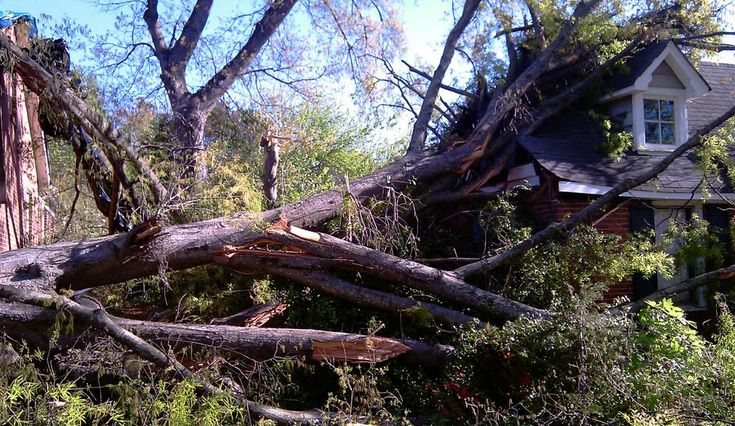
A tree can look fine from the kitchen window and still be one gust away from coming down. That’s the part most homeowners miss after a storm passes. The damage isn’t always the branch lying across the driveway. Sometimes it’s the crack nobody noticed thirty feet up or the root ball that shifted just enough to tilt the whole trunk a few degrees. Knowing what to look for after rough weather can save a roof a fence and maybe a lot more than that.
Why Do Some Trees Look Healthy Yet Still Pose a Risk?
Bark hides a great deal. A trunk can carry a hairline fracture right under the surface while the leaves overhead stay green and full. Wind doesn’t always snap a limb clean off either. Sometimes it just stresses the wood fibers enough that the break happens days later with no warning at all. Roots underground tell an even quieter story since soil saturated by heavy rain can loosen a root system without a single visible sign above ground. A tree that survives the storm itself can still fail a week later once the hidden stress finally gives out.
What Does a Cracked or Split Trunk Actually Look Like?
Look for a vertical seam running down the bark where none existed before the storm. Sometimes sap oozes from that seam as the tree reacts to the wound. A split near a major branch union is especially worrying since that junction already carries more structural stress than the rest of the trunk. Pressing gently on the area sometimes reveals movement that shouldn’t be there at all. Anyone spotting this kind of damage should call a Storm Damage Tree Service Preston crew rather than waiting to see if the crack gets worse on its own.
How Can You Tell If Roots Have Been Compromised?
Check the ground around the base for soil that has heaved or cracked in a rough circle. A tree with damaged roots sometimes leans just slightly more than it did last week even if nobody can pinpoint exactly when the shift happened. Puddles forming in spots that used to drain fine can also point to disturbed soil beneath the surface. Grass pulling away from the trunk in a widening gap is another quiet warning sign most people walk past without a second thought.
Why Does a Leaning Tree Deserve Immediate Attention?
A slight lean might have always been there and mean nothing at all. A new lean that appeared right after a storm is a different story entirely. Trees don’t usually straighten themselves back out once the root system has shifted so that tilt tends to get worse rather than better over time. Wind from the next storm often finishes what the first one started. A homeowner unsure whether a lean is old or new should compare it against an older photo of the yard if one exists rather than guessing from memory.
What Should You Do About Hanging or Broken Limbs?
A limb caught in the upper branches after breaking loose is sometimes called a hanger and it’s one of the more dangerous signs to spot. It can drop without warning days or even weeks after the storm that caused the break. Bark stripped along one side of a limb often signals a wound that invites rot and weakens the branch further over time. Anything hanging above a walkway driveway or roofline needs removal before anyone spends time underneath it again.
Can Storm Damage Affect a Tree’s Long Term Health?
Wounds from broken branches don’t heal the way a cut on skin does. Trees seal damage rather than repair it and that sealed area stays a weak point for the rest of the tree’s life. Fungus and insects often move into a fresh wound within weeks especially during warm damp weather. A tree that looks recovered by midsummer can still be hollowing out slowly on the inside from damage nobody treated after the storm. Watching for thinning leaves or unusual bark discoloration in the months after a storm helps catch this kind of slow decline before it becomes a hazard.
When Does It Make Sense to Call a Professional Right Away?
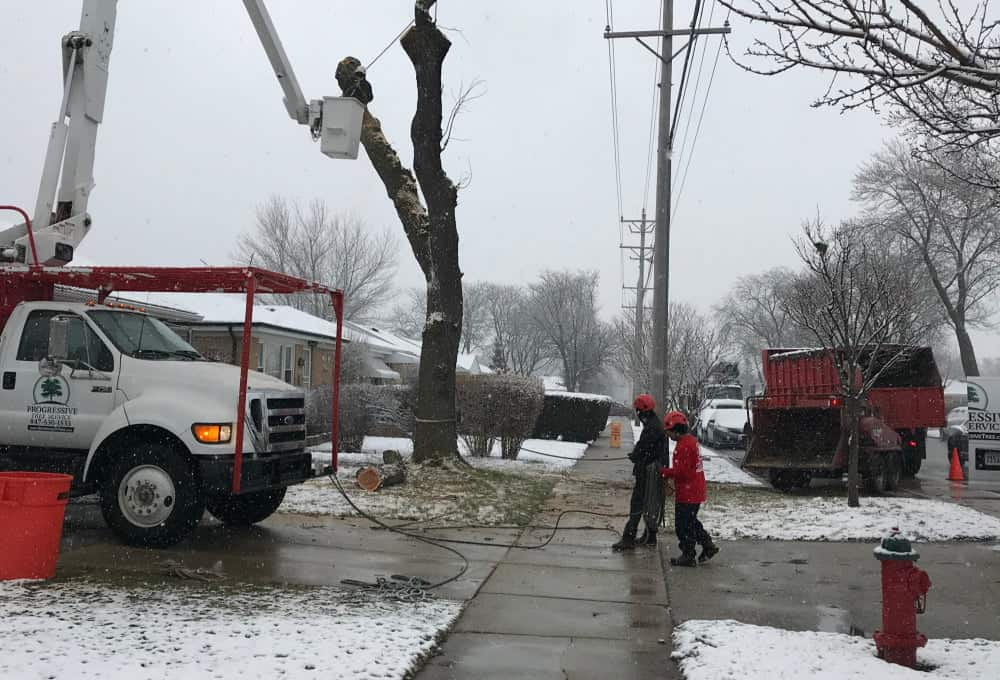
Any tree touching a power line needs a call immediately since that combination turns a yard hazard into a genuine emergency. A trunk leaning toward a house shed or parked car shouldn’t wait for a convenient weekend either. Multiple large limbs down at once usually means the whole canopy took more stress than it can safely carry going forward. A property with several mature trees near a home benefits from a full inspection after any severe storm rather than a quick glance from the porch. Booking a Storm Damage Tree Service Preston crew for that inspection often catches problems a homeowner would never spot alone.
Final Thoughts
Storm damage rarely announces itself with a dramatic collapse right away. More often it hides in a hairline crack a slightly shifted root ball or a hanger caught quietly in the upper branches. Learning to spot these signs early turns a potential disaster into a manageable repair. A property owner who checks the yard carefully after every storm and calls in help when something looks off protects both the house below and the tree itself from damage that only gets worse with time. Choosing a trusted Storm Damage Tree Service Preston team before the next storm hits means one less thing to worry about when the wind picks up again.
FAQs
How soon after a storm should I inspect my trees?
Within a day or two is ideal since some damage like hangers or hidden cracks can worsen quickly even without another storm rolling through.
Is a leaning tree always dangerous?
Not always. Some trees have leaned for years without issue though a lean that appears suddenly after a storm should be checked right away.
What is a hanger and why does it matter?
A hanger is a broken limb caught in the upper branches instead of falling to the ground and it can drop without warning at any time.
Can a tree recover fully from storm damage?
Trees seal wounds rather than heal them so a damaged area often stays weaker permanently even if the tree looks healthy again within a season.
Do I need a professional if I don’t see obvious damage?
Hidden root or trunk damage doesn’t always show visible signs right away so a professional inspection catches issues a quick glance from the yard would miss.

Leave a Reply